Verrus
In the opening keynote at today’s MIT Energy Conference, Sidewalk Infrastructure Partners (SIP) collaborated with the White House’s Office of Science and Technology to discuss public-private sector solutions to the energy challenges posed by the rapid growth of data centers.
SIP is taking a lead on the private sector solutions by bringing Verrus — a new SIP platform company that builds next-generation data centers — out of stealth after several years of internal research and development. We’re also publishing a white paper to lead an industry call to action to unite key stakeholders in this space. Both the launch of Verrus and our call to action represent SIP’s commitment to tackling one of the biggest challenges facing our planet: how to build resilient digital infrastructure that supports innovation, economic development, and the transition to a sustainable and durable energy system.
Fueled by smartphones, social media, digital commerce, and more, global data volumes have exploded over the past two decades. To store and process all this information, companies have constructed thousands of data centers worldwide. But faster than expected growth has pushed these facilities into an untenable position. Artificial intelligence poses particularly massive compute challenges, and as the use of AI expands, its energy consumption could further overwhelm already stressed electricity grids.
This immense and ever-increasing energy appetite can clash with sustainability goals and risks the health of these grids, with far-reaching negative consequences beyond just data center development. The current path is unsustainable, yet halting progress is equally untenable. So how can we enable flourishing digital innovation without sacrificing the planet or jeopardizing local power availability?
How Verrus Builds Data Centers Tailored for Both Sustainability and Reliability
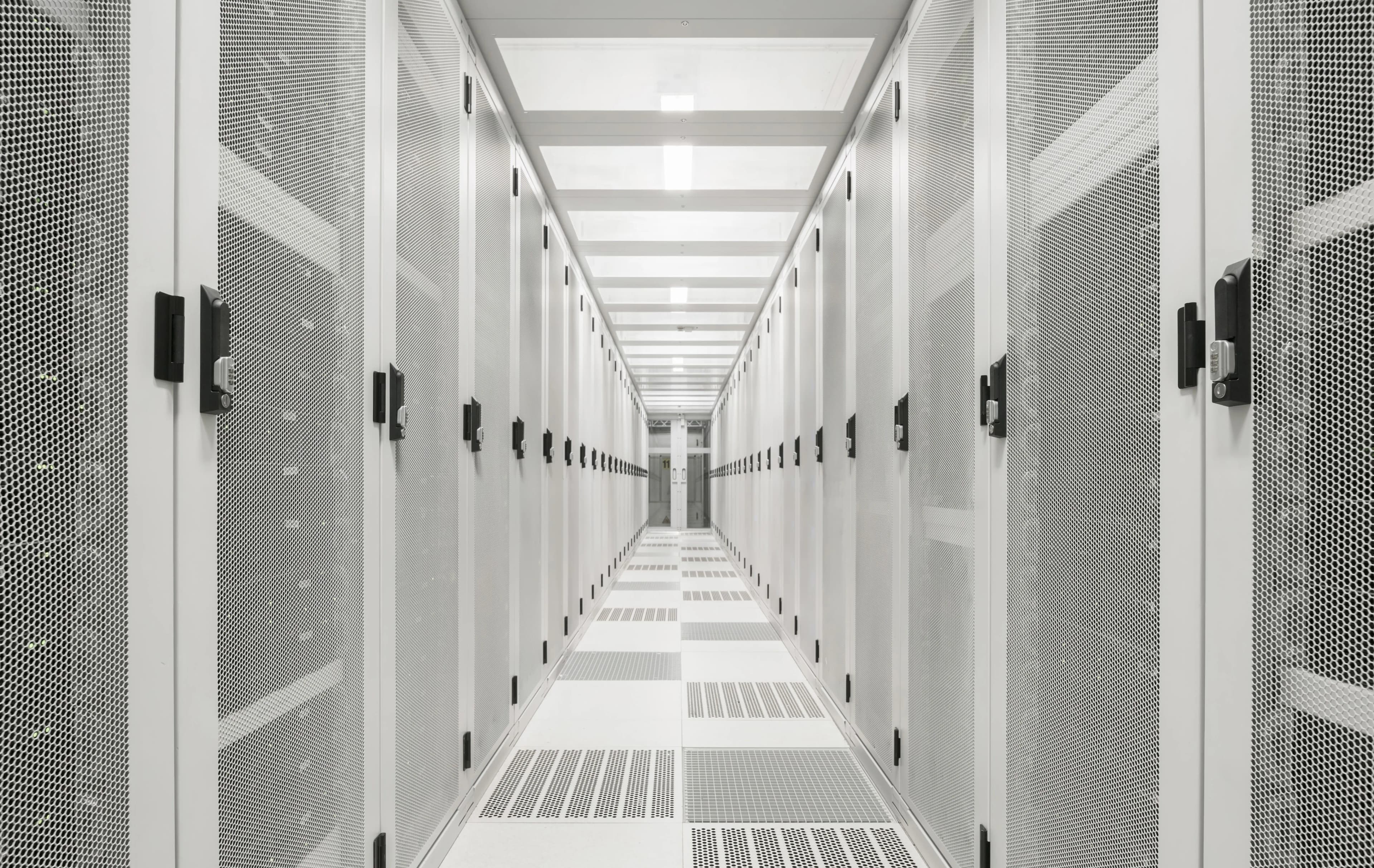
The solution lies in fundamentally rethinking data center design. Verrus has been pioneering a new generation of flexible, efficient data centers tailored for both conventional workloads and AI. Specifically, Verrus matches its infrastructure to the variable uptime requirements and actual workload needs of its customers. For example, separate server halls can house availability-sensitive computing like web searches and flexible batch operations like AI training. This workload-aware approach maximizes efficiency.
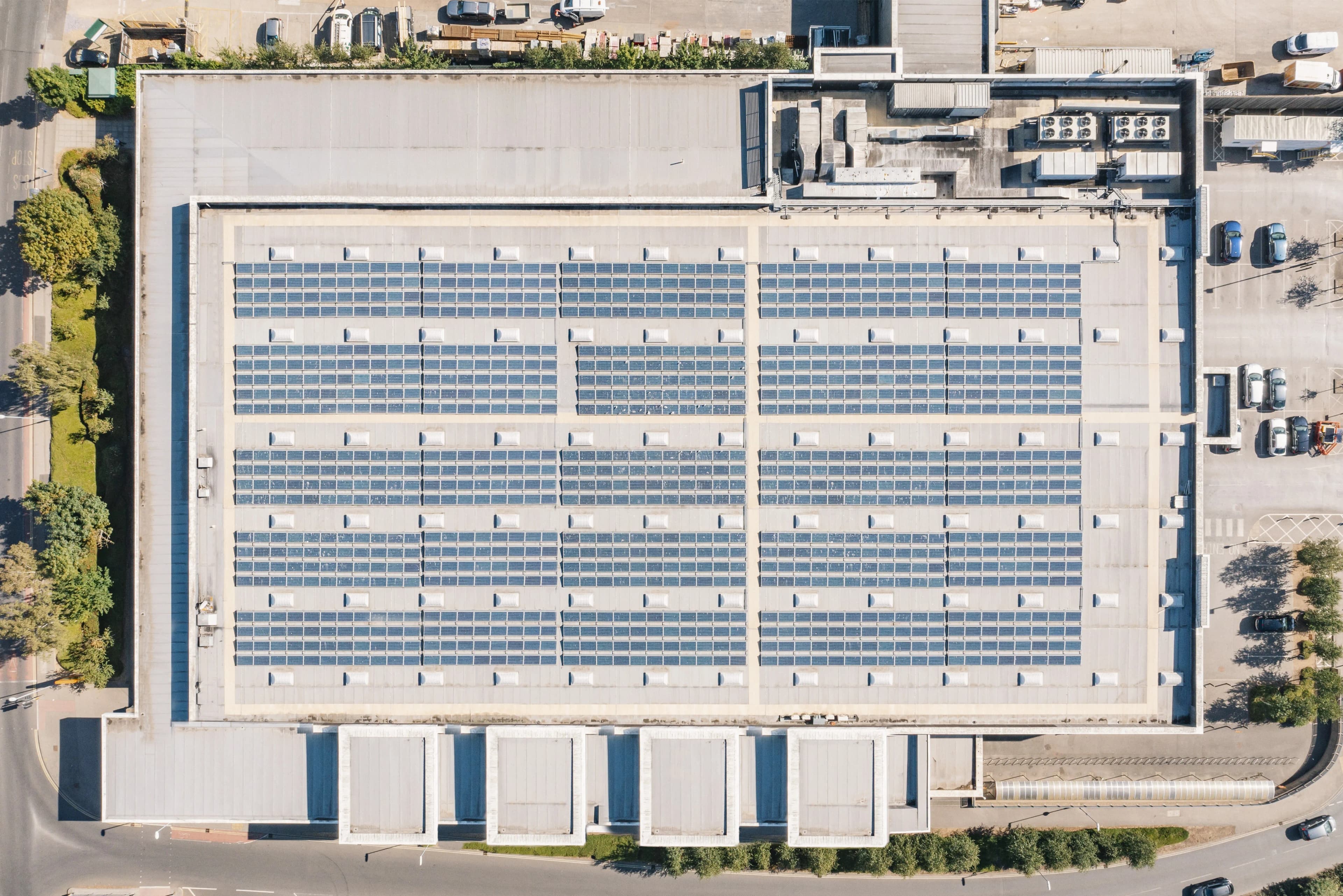
Additionally, Verrus can share power assets between halls to improve utilization rather than stranding capacity. Supply dynamically adapts to sync with demand instead of sitting idle. Verrus can also deploy sustainable, grid-scale battery storage rather than emissions-heavy diesel generators for reliable backup power. These batteries seamlessly engage if the grid fails, while optimization software ensures sufficient capacity remains for critical loads.
Crucially, this innovative design allows Verrus data centers to reduce electricity load during grid stress events. By strategically shifting flexible workloads and leveraging the storage capacity of its batteries, Verrus facilities can avoid overwhelming grids when supply runs tight. As a result, they can provide resilience and flexibility to the grid — becoming assets to their communities rather than constant, inflexible drains.
Intelligently orchestrated software binds Verrus' infrastructure innovations together. By sitting atop assets, this system can coordinate uptime preservation while dynamically optimizing costs, emissions, and grid support. In essence, Verrus’ software is designed to harmonize operations facility-wide, governing energy flows between the data center and batteries to smooth electrical peaks and valleys. It can also align flexible batch workloads with low-carbon supply availability, minimizing emissions.
By marrying workload-aware flexibility and grid integration, Verrus can unlock new levels of efficiency and sustainability. This holistic software optimization will enable computing growth that finally bends to — rather than breaks from — urgent climate realities. The result is next-generation data centers strategically engineered for the world's digital future.
Publishing Data Center Flexibility: A Call to Action
SIP has been focused on the challenges posed by data center growth for years, and last June, we hosted a summit to explore this issue in depth with key ecosystem players, including utilities, regulators, and hyperscalers. Coming out of the summit, there was a clear chasm between where the sector is today and where it needs to be. The industry urgently needs to bring together and facilitate collaboration between data center developers and electrical grid operators so we can meet society’s growing demand for compute — particularly AI compute — without overstressing the grid.
Since the summit, these energy challenges have only grown and become more urgent, threatening to impede growth and negatively impact local communities across the country. We have been continuing the conversations we started at the summit and aggregating input on how to catalyze broader change in the industry.
Against this backdrop, we’re publishing “Data Center Flexibility: A Call to Action,” a white paper that synthesizes these discussions and shares our perspective on how to develop data centers that can meet national security and economic goals while benefiting the grid. We announced the key insights of this paper alongside White House officials at the 2024 MIT Energy Conference this morning.
With nearly 40 GW of domestic data center growth expected by 2030, business-as-usual could push infrastructure past the breaking point, which is why new multi-sector efforts are essential to forging effective solutions. At SIP, we are committed to driving industry-wide change, and we look forward to using this paper to bring together key stakeholders across the public and private sectors to solve the challenges and capitalize on the opportunities created by data centers.
An Inflection Point for the Industry
Our hope is that today marks an inflection point for the data center industry. We believe that with careful design and partnership across sectors, increasing data appetite can be satisfied sustainably. With Verrus, SIP aims to demonstrate firsthand the immense possibilities of data centers designed for flexibility. And by issuing a clear call to action, we hope to spur collective work towards sustainable innovation. Both efforts support our overarching thesis: that computing progress need not come at the cost of environmental ruin or grid instability.